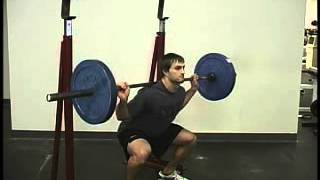
Back Squat Isometric

About this exercise
Barbell Back Squat with Isometric Pause Introduction Experience a new twist on the classic barbell back squat by incorporating an isometric pause. Isometrics are a key factor in human performance and injury prevention in the Triphasic system . This technique can enhance muscle engagement, promote better squat form, and challenge your strength and endurance in a unique way. Follow this step-by-step guide to safely perform a barbell back squat with a 3 to 7-second isometric pause at the bottom. Step-by-Step Instructions for Barbell Back Squat with Isometric Pause: Setup & Positioning : Begin by standing upright with your feet shoulder-width apart. Position a barbell on a squat rack at about chest height. Lifting the Barbell : Duck under the barbell and position it so it rests on your upper traps. Ensure that your grip on the bar is even on both sides. Stand up, and lift the barbell off the rack. Take one or two steps back to clear the rack. Starting Position : With feet shoulder-width apart and toes slightly pointed out, engage your core and maintain a neutral spine. Your gaze should be forward or slightly upward. Descending into the Squat : Begin the movement by pushing your hips back, as if you’re sitting into a chair. As you descend, ensure that your knees track over your toes and don’t collapse inward. Maintain a straight back and chest up throughout the movement. Isometric Pause : Once you reach the bottom of the squat, where your thighs are parallel or just below parallel to the ground, hold and pause in this position. Keep everything engaged - from your core to your leg muscles. Hold this isometric pause for 3 to 7 seconds. Ensure you’re breathing during the pause but maintain tension in your muscles. Ascending from the Squat : After the pause, powerfully push through your heels to return to the starting position. Extend your hips and knees at the same time to ensure a smooth motion. Completion & Racking : Once you’ve completed the desired number of reps, carefully re-rack the barbell on the squat rack. Benefits of Isometric Pause in Squats: Enhanced Muscle Engagement : Pausing at the bottom increases time under tension, which can lead to muscle growth and strength gains. Improved Form : The pause helps in ensuring you reach the full depth of the squat and maintain proper positioning. Increased Endurance : Holding the isometric pause challenges your muscular endurance, which can be beneficial for various athletic activities. Conclusion: The barbell back squat with an isometric pause is an excellent variation for those looking to challenge their squat routine. It promotes better form, increases muscle engagement, and can be a game-changer in enhancing strength and endurance. Always ensure you’re using a weight that’s challenging yet allows for safe execution of the movement. Remember, it’s crucial to warm up before any exercise and consult a fitness professional if you’re unsure about form or technique.